Coronavirus disease 2019

COVID-19 is a contagious disease caused by the coronavirus SARS-CoV-2. In January 2020, the disease spread worldwide, resulting in the COVID-19 pandemic.

The symptoms of COVID‑19 can vary but often include fever,[7] fatigue, cough, breathing difficulties, loss of smell, and loss of taste.[8][9][10] Symptoms may begin one to fourteen days after exposure to the virus. At least a third of people who are infected do not develop noticeable symptoms.[11][12] Of those who develop symptoms noticeable enough to be classified as patients, most (81%) develop mild to moderate symptoms (up to mild pneumonia), while 14% develop severe symptoms (dyspnea, hypoxia, or more than 50% lung involvement on imaging), and 5% develop critical symptoms (respiratory failure, shock, or multiorgan dysfunction).[13] Older people have a higher risk of developing severe symptoms. Some complications result in death. Some people continue to experience a range of effects (long COVID) for months or years after infection, and damage to organs has been observed.[14] Multi-year studies on the long-term effects are ongoing.[15]

COVID‑19 transmission occurs when infectious particles are breathed in or come into contact with the eyes, nose, or mouth. The risk is highest when people are in close proximity, but small airborne particles containing the virus can remain suspended in the air and travel over longer distances, particularly indoors. Transmission can also occur when people touch their eyes, nose, or mouth after touching surfaces or objects that have been contaminated by the virus. People remain contagious for up to 20 days and can spread the virus even if they do not develop symptoms.[16]

Testing methods for COVID-19 to detect the virus’s nucleic acid include real-time reverse transcription polymerase chain reaction (RT‑PCR),[17][18] transcription-mediated amplification,[17][18][19] and reverse transcription loop-mediated isothermal amplification (RT‑LAMP)[17][18] from a nasopharyngeal swab.[20]

Several COVID-19 vaccines have been approved and distributed in various countries, many of which have initiated mass vaccination campaigns. Other preventive measures include physical or social distancing, quarantining, ventilation of indoor spaces, use of face masks or coverings in public, covering coughs and sneezes, hand washing, and keeping unwashed hands away from the face. While drugs have been developed to inhibit the virus, the primary treatment is still symptomatic, managing the disease through supportive care, isolation, and experimental measures.

Coronavirus disease 2019

Coronavirus disease 2019

COVID-19 is a contagious disease caused by the coronavirus SARS-CoV-2. In January 2020, the disease spread worldwide, resulting in the COVID-19 pandemic.

The symptoms of COVID‑19 can vary but often include fever,[7] fatigue, cough, breathing difficulties, loss of smell, and loss of taste.[8][9][10] Symptoms may begin one to fourteen days after exposure to the virus. At least a third of people who are infected do not develop noticeable symptoms.[11][12] Of those who develop symptoms noticeable enough to be classified as patients, most (81%) develop mild to moderate symptoms (up to mild pneumonia), while 14% develop severe symptoms (dyspnea, hypoxia, or more than 50% lung involvement on imaging), and 5% develop critical symptoms (respiratory failure, shock, or multiorgan dysfunction).[13] Older people have a higher risk of developing severe symptoms. Some complications result in death. Some people continue to experience a range of effects (long COVID) for months or years after infection, and damage to organs has been observed.[14] Multi-year studies on the long-term effects are ongoing.[15]

COVID‑19 transmission occurs when infectious particles are breathed in or come into contact with the eyes, nose, or mouth. The risk is highest when people are in close proximity, but small airborne particles containing the virus can remain suspended in the air and travel over longer distances, particularly indoors. Transmission can also occur when people touch their eyes, nose, or mouth after touching surfaces or objects that have been contaminated by the virus. People remain contagious for up to 20 days and can spread the virus even if they do not develop symptoms.[16]

Testing methods for COVID-19 to detect the virus’s nucleic acid include real-time reverse transcription polymerase chain reaction (RT‑PCR),[17][18] transcription-mediated amplification,[17][18][19] and reverse transcription loop-mediated isothermal amplification (RT‑LAMP)[17][18] from a nasopharyngeal swab.[20]

Several COVID-19 vaccines have been approved and distributed in various countries, many of which have initiated mass vaccination campaigns. Other preventive measures include physical or social distancing, quarantining, ventilation of indoor spaces, use of face masks or coverings in public, covering coughs and sneezes, hand washing, and keeping unwashed hands away from the face. While drugs have been developed to inhibit the virus, the primary treatment is still symptomatic, managing the disease through supportive care, isolation, and experimental measures.

El significado cultural del juego en la sociedad contemporánea

El significado cultural del juego en la sociedad contemporánea

La historia del juego en la cultura

Desde tiempos inmemoriales, el juego ha estado presente en diversas culturas alrededor del mundo. Las civilizaciones antiguas, como los griegos y los romanos, utilizaban los juegos como una forma de entretenimiento y socialización. Estos juegos no solo servían para pasar el tiempo, sino que también eran una forma de rituales, donde la suerte y el destino desempeñaban un papel crucial. Con el paso del tiempo, estas tradiciones han evolucionado, adaptándose a las normas y valores de cada época. En este contexto, el juego Aviator en vivo se presenta como una opción fascinante para quienes buscan nuevas experiencias lúdicas.

En la actualidad, el juego ha adquirido diversas formas, desde juegos de mesa tradicionales hasta plataformas digitales que ofrecen experiencias inmersivas. La evolución del juego refleja la transformación de la sociedad misma; en muchas culturas, se ha convertido en un medio de escape de la rutina diaria y una forma de socialización entre amigos y familiares. Esta adaptación resalta la relevancia del juego en la vida contemporánea, consolidándolo como un elemento cultural significativo.

Además, el juego tiene el poder de unir a las personas, trascendiendo barreras culturales y lingüísticas. Las dinámicas lúdicas fomentan la cooperación y la competencia, habilidades esenciales en la vida moderna. A medida que las sociedades avanzan, el significado del juego se redimensiona, convirtiéndose en una herramienta para abordar temas sociales y culturales, reflejando así las realidades de la vida contemporánea.

El juego como medio de expresión cultural

El juego se presenta como una forma de expresión cultural que permite a las comunidades reflejar sus valores, creencias y tradiciones. Por ejemplo, en muchos países, los juegos populares son una representación de la historia y la identidad local. Las fiestas y celebraciones a menudo incluyen juegos tradicionales que fortalecen la cohesión social y permiten que las nuevas generaciones conozcan su legado cultural. Es importante destacar qué es Aviator, un juego que ha capturado la atención de muchos por su innovador enfoque.

Además, el desarrollo de videojuegos ha abierto un nuevo espacio para la expresión cultural. Los desarrolladores crean narrativas que abordan temas de justicia social, identidad y diversidad, lo que les permite llegar a una audiencia global. A través de estas narrativas interactivas, los jugadores no solo se entretienen, sino que también se involucran con cuestiones relevantes en el mundo actual, generando diálogos en torno a temas importantes.

El papel del juego como medio de expresión cultural se manifiesta también en la inclusión de elementos de distintas culturas en los juegos. Esto no solo promueve la diversidad, sino que también permite que los jugadores aprendan sobre otras tradiciones y formas de vida. La interconexión cultural que surge de este fenómeno refleja la realidad de un mundo globalizado, donde el juego se convierte en un puente para la comprensión mutua.

Impacto del juego en la salud mental y social

El juego tiene un impacto significativo en la salud mental de las personas. Actividades lúdicas, ya sean físicas o digitales, ofrecen una forma de escape y liberación del estrés diario. La participación en juegos puede incrementar la producción de endorfinas, mejorando el estado de ánimo y fomentando un sentido de bienestar. Las dinámicas grupales, en particular, ayudan a fortalecer los lazos interpersonales, creando un ambiente propicio para la amistad y el apoyo mutuo.

Asimismo, el juego se ha utilizado en terapias para tratar diversas condiciones psicológicas. Juegos diseñados específicamente para mejorar habilidades sociales y resolver conflictos se han implementado en contextos clínicos. Al integrar el juego en la terapia, los profesionales pueden facilitar la comunicación y la expresión emocional, lo que resulta en mejoras significativas en la salud mental de los pacientes.

El impacto social del juego también se observa en su capacidad para unir a diferentes generaciones. En muchas familias, jugar juntos se convierte en un ritual que promueve la cohesión y el entendimiento entre padres e hijos. Este tipo de interacción es vital para el desarrollo emocional y social de los más jóvenes, quienes aprenden valores como la cooperación y el respeto a través del juego.

La evolución del juego en la era digital

La llegada de la tecnología ha revolucionado la forma en que se juega, transformando no solo la mecánica de los juegos, sino también la experiencia del jugador. Los videojuegos y las plataformas en línea han permitido que las personas se conecten entre sí a través del juego, sin importar su ubicación geográfica. Esta nueva dimensión del juego ha cambiado las dinámicas sociales, creando comunidades virtuales donde los jugadores pueden interactuar y colaborar.

Además, el juego en línea ha democratizado el acceso a diversas experiencias lúdicas. Antes, solo ciertos grupos sociales podían acceder a ciertos tipos de juegos, pero ahora, cualquier persona con una conexión a internet puede participar. Esto ha llevado a una mayor inclusión, permitiendo que un público más amplio disfrute de las actividades lúdicas y fomente la diversidad dentro de la comunidad gamer.

Sin embargo, esta evolución también presenta desafíos. La adicción al juego y la exposición a contenido inapropiado son preocupaciones emergentes que requieren atención. A medida que los juegos digitales continúan creciendo en popularidad, es crucial promover prácticas de juego responsable y crear un entorno seguro para todos los usuarios, especialmente los más jóvenes.

Apuestas Aviator: un nuevo horizonte en el juego

Apuestas Aviator representa una nueva era en el ámbito de los juegos de azar, combinando emoción y estrategia en una experiencia única. Este juego ha capturado la atención de jugadores en diversas partes del mundo, brindando no solo entretenimiento, sino también la oportunidad de maximizar ganancias. En el contexto de la sociedad contemporánea, Apuestas Aviator se inserta en una cultura donde la adrenalina y la toma de decisiones rápidas son elementos clave.

La plataforma de Apuestas Aviator se destaca por su enfoque en la seguridad y la transparencia, garantizando que cada jugador pueda disfrutar de la experiencia sin preocupaciones. Esto es fundamental en un entorno donde las prácticas de juego responsable son cada vez más importantes. Al ofrecer información detallada sobre cómo jugar y estrategias efectivas, la plataforma se convierte en un recurso valioso para los jugadores que buscan optimizar su experiencia.

En conclusión, Apuestas Aviator no solo refleja el desarrollo del juego en la era digital, sino que también representa una conexión con las tradiciones culturales del juego. A medida que los jugadores se sumergen en esta innovadora experiencia, están participando en una forma contemporánea de expresión cultural que sigue evolucionando, ampliando el significado del juego en la sociedad actual.

The fascinating history of casinos A journey through time with Chicken Road

The fascinating history of casinos A journey through time with Chicken Road

The Origins of Casinos

The history of casinos stretches back centuries, with roots tracing back to ancient civilizations. The earliest forms of gambling can be found in China, where people used tiles to play a game of chance around 2300 BC. This fascination with games of chance permeated various cultures, leading to the establishment of gambling houses in places like ancient Rome and Greece, where citizens enjoyed betting on gladiator contests and chariot races. Over time, these informal gatherings evolved into more structured environments that we recognize today as casinos. You can also https://chicken-road-2-app.com.ng/ to explore exciting gaming experiences.

By the 17th century, gambling houses began to proliferate across Europe, with notable establishments appearing in Italy. The Ridotto in Venice, established in 1638, is often cited as the first official casino. Here, nobles and wealthy individuals gathered to play games like faro and baccarat, setting the stage for the modern casino experience. The success of these establishments marked the beginning of casinos as formal venues where games were played for money, leading to increased regulation and oversight.

As gambling became more mainstream, various games evolved. By the 19th century, the introduction of games like roulette and blackjack captured public interest, establishing a standard repertoire for casinos. These games, along with the allure of luxury and glamour associated with casino life, paved the way for the opulent establishments we see today. This historical evolution is a testament to the enduring appeal of games of chance and the social interaction they fostered.

The Rise of Las Vegas

Las Vegas, often dubbed the gambling capital of the world, rose to prominence in the mid-20th century. The legalization of gambling in Nevada in 1931 opened the doors for the development of large-scale casino resorts. The Strip, a stretch of Las Vegas Boulevard, became the focal point for extravagant hotels and casinos, attracting millions of visitors. Iconic venues such as the Flamingo, built by mobster Bugsy Siegel, showcased the blending of luxury and risk, creating an unmatched allure for tourists.

Throughout the 1950s and 1960s, Las Vegas transformed from a desert town into a bustling entertainment hub. This era witnessed the emergence of famous entertainers, including Frank Sinatra and Elvis Presley, who further solidified Las Vegas’s status as a premier destination. The casinos offered not just gambling but also lavish shows, exquisite dining experiences, and unmatched hospitality, making it a favorite spot for celebrities and everyday thrill-seekers alike.

The construction of mega-resorts in the 1990s, such as the Bellagio and Wynn, marked another evolution in Las Vegas’s casino landscape. These properties emphasized luxury and immersive experiences, featuring elaborate themes and attractions beyond gambling. The focus shifted to providing a comprehensive entertainment experience that included shopping, fine dining, and nightlife, broadening the appeal of Las Vegas far beyond just gambling.

Casinos Around the World

While Las Vegas may be the most recognized gambling destination, casinos exist in various forms around the globe. In Europe, places like Monaco and London have long been associated with high-stakes gambling. Monte Carlo Casino is synonymous with luxury and glamour, attracting elite gamblers and tourists. In contrast, the UK has a more relaxed gambling culture, with a plethora of betting shops and casinos that provide a different atmosphere and experience for patrons.

Asia has also seen a significant rise in casino popularity, with Macau emerging as a dominant player. Often referred to as the « Gambling capital of the world, » Macau surpasses Las Vegas in terms of revenue generated from gaming. The integration of traditional Chinese gambling culture, such as mahjong, into the casino experience has created a unique blend of East meets West, attracting millions of visitors and transforming the local economy.

Additionally, emerging markets are beginning to open their doors to casinos, with countries like Singapore and the Philippines investing heavily in integrated resorts. These developments offer a combination of gambling, entertainment, and luxury accommodations, appealing to both local and international tourists. As gambling regulations continue to evolve, the casino landscape worldwide is likely to experience further growth and diversification.

The Impact of Technology on Gambling

Technology has dramatically transformed the gambling industry, especially in recent decades. The advent of the internet gave rise to online casinos, allowing players to engage in gaming from the comfort of their homes. These virtual platforms offer a range of games, from classic table games to modern slots, appealing to a broader audience. The convenience of online gaming has revolutionized how people perceive and engage with gambling.

Furthermore, mobile technology has enabled players to gamble on the go. With the rise of smartphones and apps, users can access a plethora of games at their fingertips. The introduction of live dealer games has also enhanced the online experience, allowing players to interact with real dealers and other players through video streaming technology. This immersive experience closely mirrors that of a traditional casino, making online platforms increasingly appealing.

In addition to enhancing the gaming experience, technology has also improved security measures within casinos. Advanced surveillance systems and biometric technology help casinos monitor activities and prevent cheating. Moreover, the integration of blockchain technology is paving the way for greater transparency and trust in online gambling, ensuring fair play and secure transactions for all participants.

Exploring the World of Chicken Road

As the landscape of gaming continues to evolve, mobile games like Chicken Road have found a niche in the hearts of players. This engaging arcade experience reflects the modern trend toward mobile gaming, making it accessible to a wider audience. Players navigate through busy virtual roads, overcoming obstacles and collecting rewards, providing a sense of thrill and excitement akin to the traditional casino experience.

Chicken Road’s dynamic gameplay and intuitive controls are designed to captivate users, allowing for fast-paced action that keeps players engaged. While it diverges from traditional gambling, it offers an alternative way to experience the excitement of gaming through strategy and skill. To experience this fun for yourself, you can easily download Chicken Road 2.0 game APK online and enjoy your own adventures.

Whether you’re navigating the challenges in Chicken Road or trying your luck at a casino, the fundamental desire for entertainment and thrill remains constant. The journey through time, from ancient gambling practices to the latest mobile games, showcases the enduring allure of gaming and its power to bring people together in pursuit of fun and excitement.

Impacto cultural de los casinos cómo mi casino transforma nuestra percepción del juego

Impacto cultural de los casinos cómo mi casino transforma nuestra percepción del juego

La evolución histórica de los casinos

Los casinos han sido parte de la cultura humana desde tiempos antiguos, con raíces que se remontan a civilizaciones como la romana y la china. A lo largo de la historia, estos lugares han evolucionado no solo en su diseño arquitectónico, sino también en su función social. Desde ser simples casas de apuestas hasta convertirse en complejos turísticos de lujo, los casinos han ido adaptándose a las necesidades y deseos de los jugadores, creando un ambiente que no solo invita al juego, sino también a la socialización. Además, hoy en día, la experiencia en línea de jugar se ha hecho más accesible a través de plataformas como https://mi-casino-gt.com.

En el siglo XIX, la popularidad de los casinos creció exponencialmente, especialmente en Europa y América del Norte, donde comenzaron a atraer a un público diverso. Este auge se debió en parte a la industrialización y al aumento del tiempo libre, lo que permitió a más personas disfrutar de las actividades recreativas. Los casinos se convirtieron en símbolos de sofisticación y glamour, y su influencia en la cultura popular comenzó a notarse en la literatura y el cine, donde se les representaba como escenarios de lujo y riesgo.

Hoy en día, el impacto cultural de los casinos es innegable. En muchos países, son considerados un destino turístico esencial que atrae a millones de visitantes cada año. Este fenómeno no solo beneficia a la economía local, sino que también ayuda a moldear la percepción del juego en la sociedad. Con el auge de los casinos en línea, como mi casino, la forma en que experimentamos el juego ha cambiado drásticamente, ofreciendo nuevas oportunidades y desafíos para los jugadores.

El rol de los casinos en la sociedad contemporánea

Los casinos en la actualidad desempeñan un rol multifacético en la sociedad. No solo son espacios para el entretenimiento, sino que también actúan como centros de actividad social y cultural. Muchas veces, estos lugares organizan eventos y espectáculos que atraen a una variedad de públicos, lo que contribuye a su percepción como espacios de encuentro. Esta transformación ha permitido que los casinos se conviertan en lugares donde se cruzan diversas culturas y se crean nuevas experiencias compartidas.

A medida que la sociedad avanza, la percepción del juego ha ido cambiando. En un contexto donde la diversión y el ocio son valorados, los casinos han logrado posicionarse como una forma de entretenimiento aceptada. Sin embargo, esto también ha conllevado a la necesidad de abordar aspectos como la adicción y el juego responsable. Las plataformas modernas, como mi casino, están tomando medidas para educar a los jugadores y fomentar un entorno de juego seguro, lo que refleja una evolución en la responsabilidad social de estas instituciones.

Además, la creciente digitalización ha permitido que los casinos se expandan más allá de las fronteras físicas. Los casinos en línea, como mi casino, ofrecen una experiencia accesible y conveniente, cambiando la manera en que las personas interactúan con los juegos de azar. Este acceso democratiza el juego, permitiendo que más personas participen sin las limitaciones que imponían los casinos tradicionales, lo que a su vez transforma la cultura del juego en la sociedad actual.

La influencia de la tecnología en la experiencia del juego

La tecnología ha revolucionado la forma en que interactuamos con los casinos. Desde el advenimiento de los juegos en línea hasta la implementación de tecnologías como la realidad virtual, el paisaje del juego está en constante evolución. Estas innovaciones no solo mejoran la experiencia del jugador, sino que también permiten que las plataformas, como mi casino, ofrezcan una variedad de juegos y promociones exclusivas que antes no eran posibles.

Además, la utilización de datos y análisis ha permitido a los casinos entender mejor las preferencias de sus usuarios. Este enfoque personalizado no solo mejora la experiencia del jugador, sino que también optimiza las operaciones del casino, creando un ciclo de retroalimentación que beneficia a ambas partes. La tecnología ha permitido a los casinos no solo atraer a nuevos jugadores, sino también retener a los existentes mediante una experiencia de juego más envolvente y satisfactoria.

Asimismo, la tecnología ha brindado la oportunidad de fomentar el juego responsable. Las plataformas online están implementando herramientas que ayudan a los jugadores a gestionar su tiempo y sus gastos, ofreciendo opciones para establecer límites personales. Esto no solo muestra una evolución en la responsabilidad social de los casinos, sino que también transforma la percepción del juego en la cultura contemporánea, haciéndolo más seguro y accesible.

Impacto de los casinos en la economía local

Los casinos tienen un impacto significativo en la economía local, generando empleos y atrayendo turistas que contribuyen a la economía regional. Al ofrecer una gama de servicios, desde restaurantes hasta entretenimiento en vivo, los casinos se convierten en motores económicos que benefician a diversas industrias. Este fenómeno se observa especialmente en destinos donde el turismo es esencial, creando un ecosistema que sostiene a miles de familias y negocios.

Adicionalmente, las inversiones realizadas en la construcción y mantenimiento de casinos suelen estimular el desarrollo de infraestructuras locales, mejorando la calidad de vida de los residentes. Esto incluye mejoras en el transporte, la sanidad y otras áreas que benefician a la comunidad en su conjunto. Sin embargo, es vital que estas inversiones se realicen de manera responsable, considerando también el impacto del juego en la sociedad.

Sin duda, el modelo de negocio de los casinos ha cambiado con el tiempo, adaptándose a las demandas de los jugadores modernos. Los casinos en línea, como mi casino, están proporcionando nuevas formas de ingresos tanto para los operadores como para la economía local, sin las limitaciones físicas de los casinos tradicionales. Esto abre un abanico de oportunidades que pueden ser aprovechadas de manera efectiva para el desarrollo económico.

Mi casino: un nuevo paradigma en la percepción del juego

Mi casino representa una evolución en la forma en que experimentamos el juego, integrando tecnología, seguridad y accesibilidad en un solo lugar. Este casino en línea ha sido diseñado específicamente para satisfacer las necesidades de los jugadores guatemaltecos, ofreciendo una amplia gama de juegos, desde los más clásicos hasta las tragamonedas más innovadoras. Esto permite que los usuarios disfruten de una experiencia de juego diversificada desde la comodidad de sus hogares.

El compromiso de mi casino con la seguridad es otro aspecto fundamental que transforma la percepción del juego. Gracias a medidas como el cifrado SSL, los jugadores pueden estar tranquilos sabiendo que sus datos están protegidos. Además, la plataforma promueve el juego responsable, proporcionando herramientas y recursos para ayudar a los jugadores a gestionar su tiempo y sus finanzas, creando un entorno de juego más seguro y consciente.

Finalmente, mi casino no solo se limita a ofrecer juegos; también busca construir una comunidad. A través de promociones, bonos y un servicio de atención al cliente en español, el casino se esfuerza por crear un ambiente acogedor y accesible para todos. Esta integración de tecnología, seguridad y comunidad es lo que verdaderamente transforma nuestra percepción del juego en la cultura contemporánea, haciéndolo más atractivo y responsable.


Казинодағы заңды реттеу Pin-Up casino бойынша маңызды ақпарат

Казинодағы заңды реттеу Pin-Up casino бойынша маңызды ақпарат

Қазақстандағы казино қызметінің құқықтық негіздері

Қазақстандағы казино қызметі еліміздің заңнамасына сәйкес реттеледі. 2007 жылы қабылданған заңмен ойын бизнесі тек арнайы аймақтарда орналасуға рұқсат етілген. Бұл заңның мақсаты – заңсыз ойын қызметін азайту, салықтық түсімдерді көбейту және ойыншылардың құқықтарын қорғау. Ойыншылар үшін қауіпсіз және заңды ойын тәжірибесін қамтамасыз ету мақсатында, Pin-Up kz официальный сайт казино Казахстан секілді казино платформалары осы заң талаптарына сай жұмыс істейді.

Казино қызметінің лицензиялануы – заңды реттеудің негізгі аспектісі. Лицензия алу процесі қатаң талаптармен өтеді, бұл операторлардың сапасын, қауіпсіздігін және адалдығын қамтамасыз етеді. Pin-Up casino өз қызметін Қазақстан Республикасының заңнамасына сәйкес лицензия алған жағдайда ғана жүзеге асырады, бұл ойыншылар үшін тұрақты және сенімді платформа болатынын білдіреді.

Сонымен қатар, Қазақстан Республикасының заңнамасы ойыншылардың құқықтарын қорғауды қамтамасыз етеді. Ойыншылардың жеңістерін алу, ставкаларын жасау және басқа да операцияларды жүзеге асыру кезінде заң бойынша құқықтары сақталады. Pin-Up casino ойыншыларға заңды шарттармен ойын жүргізу мүмкіндігін ұсынып, оларға толық ақпарат және қолдау көрсету арқылы қамтамасыз етеді.

Pin-Up casino платформасының ерекшеліктері

Pin-Up casino – онлайн казино нарығында танымал платформа болып табылады. Бұл казино ойыншыларға әртүрлі ойындар мен бонустар ұсынады, сонымен қатар заманауи технологиялар негізінде жұмыс істейді. Мысалы, сайт мобильді құрылғыларда ыңғайлы және жылдам жұмыс істейді, бұл ойыншылардың кез келген уақытта және кез келген жерде ойын ойнауына мүмкіндік береді. Осындай технологиялық аспектілер ойыншыларға тәжірибе алу мен ләззат алу үшін тиімді шарттар жасайды.

Pin-Up casino платформасының бірегейлігі – ойындар мен қызметтердің түрлілігі. Казино ойыншыларына слоты, карточкалық ойындар, рулетка және басқа да ойын түрлерінен таңдауға мүмкіндік береді. Бұл ойыншыларға өздерінің қалауларын ескере отырып, ойындарды таңдау мүмкіндігін береді. Ойыншылар үшін бонустар мен акциялар да казиноның тартымдылығын арттырады, бұл оларға қосымша жеңістер алуға мүмкіндік береді.

Сонымен қатар, Pin-Up casino платформасының қауіпсіздігі мен тұтастығы да маңызды. Платформа заманауи шифрлау технологияларын қолданып, ойыншылардың жеке деректерін қорғауға кепілдік береді. Бұл аспект ойыншыларға толық сенімділікпен және қауіпсіздікпен ойын ойнауға мүмкіндік береді, сондай-ақ казиноның репутациясын нығайтады.

Заңды реттеудің технологияға әсері

Технологияның дамуы казино индустриясына да әсер етуде. Онлайн казино платформалары, соның ішінде Pin-Up casino, заманауи технологиялар мен инновацияларды енгізу арқылы өз қызметін жақсартуда. Бұл ойыншылардың тәжірибесін жақсартуға, сонымен қатар заңды реттеу талаптарына сәйкес болуға мүмкіндік береді. Мысалы, автоматтандырылған жүйелер ойыншылардың ставкаларын тиімді және жылдам өңдейді.

Сонымен қатар, блокчейн технологиялары мен криптовалюталар сияқты жаңа трендтер де казино индустриясына әсер етеді. Бұл технологиялар казиноның қаржылық операцияларын қауіпсіз әрі ашық жүргізуге мүмкіндік береді. Pin-Up casino сияқты платформалар жаңа технологияларды пайдаланып, клиенттеріне заманауи және тиімді шешімдер ұсынуда.

Мұндай технологиялар заңды реттеу талаптарын орындауға да көмектеседі. Онлайн казино платформалары транзакцияларды бақылау мен есептеу жүйелерін енгізу арқылы мемлекетке салықтық түсімдерді көбейтуге мүмкіндік береді. Бұл, сайып келгенде, казино индустриясының дамуына ықпал етіп, оның заңды статусын нығайтады.

Ойыншылардың құқықтары мен қауіпсіздігі

Ойыншылардың құқықтарын қорғау – казино қызметінің маңызды аспектілерінің бірі. Қазақстан Республикасының заңнамасында ойыншылардың құқықтарын қорғауға арналған нақты нормалар бар. Pin-Up casino өз ойыншыларына құқықтық қорғауды қамтамасыз ету үшін қолайлы шарттарды ұсынады. Ойыншылар кез келген уақытта өз құқықтарын қорғай отырып, ойын барысында туындаған мәселелерді шешу мүмкіндігіне ие.

Сонымен қатар, ойыншылардың жеке деректерінің қауіпсіздігі де өте маңызды. Pin-Up casino заманауи шифрлау әдістерін пайдаланып, ойыншылардың жеке ақпаратын қорғауға кепілдік береді. Бұл ойыншылардың өздерінің деректерінің қауіпсіздігіне сенімділігін арттырады, ал казиноның репутациясын нығайтады.

Ойыншылар үшін тұтастай алғанда, Pin-Up casino платформасы ашықтық пен әділеттілікті қамтамасыз етеді. Казиноның ойын шарттары мен ережелері ойыншыларға толық ақпаратпен қамтамасыз етіледі, бұл оларға жақсы түсінік алуға және ақпараттандырылған шешімдер қабылдауға мүмкіндік береді.

Pin-Up casino веб-сайты және қызметтері

Pin-Up casino веб-сайты – ойыншылар үшін ыңғайлы интерфейс пен ыңғайлы навигациямен қамтамасыз етілген. Веб-сайттың дизайны мен функционалдық мүмкіндіктері ойыншылардың ойындарын жеңілдету және олардың тәжірибесін жақсарту үшін жасалған. Веб-сайтта ойындар, бонустар, акциялар және клиенттерге қызмет көрсету туралы ақпарат толықтай қамтылған.

Pin-Up casino веб-сайты тек ойындарды ұсынаумен шектелмейді, сонымен қатар ойыншылардың ойындық тәжірибесін жақсарту мақсатында түрлі қызметтер де ұсынады. Ойыншыларға техникалық көмек көрсету, шот ашу, төлемдер жасау және басқа да қажетті қызметтер бар. Бұл қызметтер ойыншыларға кез келген мәселені шешуге көмектеседі.

Сонымен қатар, Pin-Up casino веб-сайты ойыншыларға бонустар мен жеңілдіктер ұсынып, олардың қызығушылығын арттырады. Казиноның басты мақсаты – ойыншылардың ләззатын қамтамасыз ету және оларға қызықты ойын тәжірибесін ұсыну. Тек заңды реттеуге сәйкес жұмыс істей отырып, Pin-Up casino ойыншылардың сеніміне ие болады.

The social dynamics of gambling How connection shapes the casino experience

The social dynamics of gambling How connection shapes the casino experience

The Role of Social Interaction in Casinos

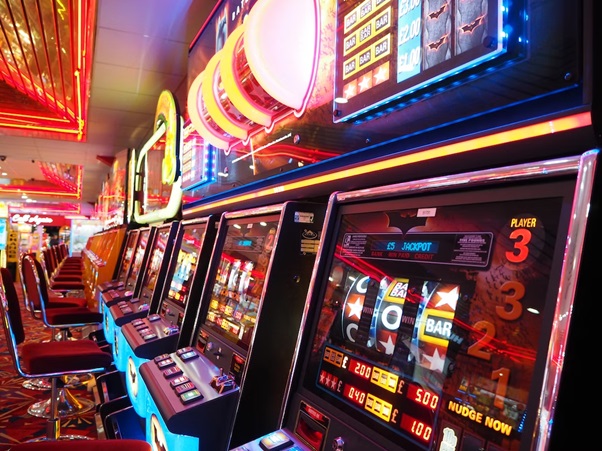
Casinos are not just venues for games; they are social ecosystems where interactions influence the overall experience. Players often engage with each other, sharing strategies, discussing outcomes, or simply enjoying the communal atmosphere. This interaction fosters a sense of belonging and community, which can enhance the thrill of gambling, particularly in a market that includes options like the fastest payout casino uk. As individuals bond over shared experiences, their enjoyment of the casino environment increases, making it more than just a place to gamble.

The social dynamics of gambling also extend to interactions with dealers and staff. Friendly dealers can elevate the gaming experience, encouraging players to feel more comfortable and engaged. When players perceive a welcoming atmosphere, they are more likely to return, reinforcing their social connections and loyalty to the establishment.

The Impact of Group Dynamics

Group dynamics play a significant role in shaping the casino experience. Players often form groups or networks, whether as friends or acquaintances, creating an environment rich in shared emotion and collective anticipation. This camaraderie can lead to more enthusiastic gambling sessions, where players feed off each other’s energy, leading to increased wagers and, sometimes, bigger wins.

The influence of group dynamics is also evident in decision-making processes. Players may be swayed by the opinions of their peers, often leading to a collective approach to gambling strategies. The shared highs and lows of winning and losing together can strengthen these relationships, making the casino visit a shared journey rather than an isolated activity.

The Psychological Effects of Social Gambling

The psychological aspects of social gambling are intriguing, as the social environment can significantly impact individual behavior and emotions. Engaging with others can reduce feelings of loneliness and anxiety, providing a supportive backdrop that makes gambling more enjoyable. This emotional connection can lead to increased levels of satisfaction, which may keep players returning to the casino.

Cultural Perspectives on Gambling

Cultural attitudes towards gambling significantly influence how individuals experience casinos. In some cultures, gambling is viewed as a social activity that fosters community and entertainment, while in others, it may carry stigma or be seen as a risky endeavor. These perspectives shape how players approach gambling, impacting their social interactions and engagement within the casino environment.

Understanding these cultural dynamics can help casinos tailor their experiences to better meet the expectations of diverse clientele. By creating an inclusive atmosphere that respects different cultural viewpoints, casinos can enhance social connections, making them more appealing to a broader audience.

Fast Withdrawal Casino: Your Guide to the Best Gaming Experiences

Fast Withdrawal Casino serves as an essential resource for those seeking the best online casino experiences, particularly for players interested in quick payouts and secure gaming. The platform highlights licensed casinos that prioritize safety, speed, and responsible gambling, ensuring that players can focus on enjoying their time without unnecessary delays.

With expert recommendations and comparisons available, users can navigate the online casino landscape with confidence. By prioritizing quick withdrawals and a safe environment, Fast Withdrawal Casino not only enhances the gaming experience but also fosters the social connections that make gambling a uniquely engaging activity. Whether you’re a seasoned player or new to the scene, this platform is designed to support your gaming journey.

Adresse :
Bloc Df No 36 Kouass Yacoub El Mansour Rabat, Maroc

Copyright © 2024. EVODIAG