
The Influence of Color Schemes
Color plays a significant role in casino design, tapping into the psychology of human emotions and behaviors. Warm colors like red and gold are predominant in many casinos, as they are believed to evoke feelings of excitement and energy. Red, in particular, can stimulate appetite and increase heart rates, making it a perfect choice for spaces designed to keep players engaged and alert. Many players also explore sports betting sites that feature vibrant designs to enhance their overall experience. Casinos meticulously choose their color palettes to create an atmosphere that encourages guests to spend more time and money.
On the other hand, cooler tones such as blues and greens can elicit feelings of calmness and relaxation. These colors are often used in lounge areas or rest zones within the casino, providing a balance to the more intense gaming environments. The strategic use of color helps to keep players in a state of emotional engagement and enhances their overall experience by manipulating their subconscious reactions. Each color is selected not just for its aesthetic appeal but for its psychological impact.
Furthermore, colors can influence the perception of time. In an environment designed to be immersive like a casino, players can lose track of time, thanks to carefully planned color schemes that distract from the natural light and the outside world. This design strategy is intentional; it fosters an environment where players feel comfortably ensnared, encouraging longer play and higher spending. Thus, the influence of color in casino design is a powerful tool utilized to create a specific ambiance and psychological effect.
The Role of Layout and Space
The layout of a casino is meticulously crafted to control the flow of foot traffic and maximize engagement with gaming machines and tables. Upon entering a casino, guests are often greeted by a wide, open space designed to disorient them positively, making it hard to keep track of their surroundings. The absence of windows and clocks contributes to a feeling of timelessness, encouraging players to remain inside longer. This thoughtfully designed layout aims to enhance the overall gaming experience.
Moreover, the arrangement of gaming tables and machines is strategic. By placing high-stakes tables near entrances or prime locations, casinos attract more experienced gamblers while keeping the casual players intrigued by the games nearby. Lounge areas and bars are also interspersed throughout the casino to create an inviting atmosphere for social interactions, further encouraging guests to linger and engage in more gaming. The design of the space significantly impacts how guests navigate through the casino and interact with the games.
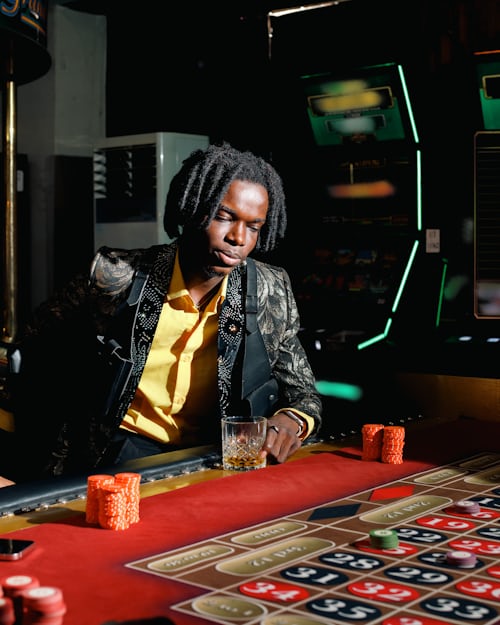
The pathways designed within casinos often lead players deeper into the establishment, guiding them past enticing displays and inviting experiences. This layout not only promotes exploration but also heightens anticipation as guests venture further into the casino. The careful planning of space utilization within the casino is an essential psychological tactic that aims to enhance player engagement and maximize revenue-generating opportunities.
Lighting: Setting the Mood
Lighting is another critical aspect of casino design that significantly influences the atmosphere and guests’ emotional states. Casinos utilize various lighting techniques to create a vibrant yet comfortable environment. The use of bright, dynamic lights on gaming machines captures attention and creates excitement, while softer lighting in lounge areas encourages relaxation and social interaction. This dual approach ensures that the casino caters to varying moods and experiences.
Moreover, strategic lighting can highlight certain areas, such as high-stakes games or special promotions, drawing attention to them and generating interest. For instance, spotlighting a popular slot machine can create an allure around it, making it a focal point of attraction for new players. Additionally, the use of colorful LED lights can create an immersive experience, enhancing a player’s emotional investment in the gaming experience.
Lighting also plays a role in masking the outside world. By creating an environment where natural light is minimized, casinos can design spaces that feel both inviting and exclusive. This isolation serves to enhance the immersive experience for players, making them feel engrossed in the magic of the casino. The psychological effects of lighting are profound, impacting mood, engagement, and overall experience throughout the gaming floor.
Sound Design and Its Effects
Sound is a powerful tool in casino design that deeply influences player behavior and emotions. From the moment guests step into a casino, they are greeted by a tapestry of sounds, including the jingling of coins, the clattering of chips, and the cheers from other players. These auditory elements are carefully crafted to create a stimulating environment that fosters excitement and encourages players to join in the fun. Soft background music is also often employed to enhance the gaming experience while ensuring it remains at a volume that does not distract from the games.
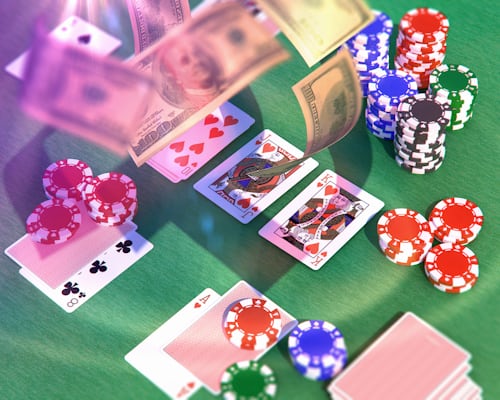
Furthermore, the sounds of winning—such as bells, alarms, and celebratory tunes—are strategically used to evoke positive emotions and reinforce the notion of success within the casino environment. These sound cues can heighten anticipation and excitement, motivating players to continue playing in hopes of achieving a similar win. The design of sound within casinos is intentional, aiming to create an atmosphere that feels alive and exhilarating, ultimately enhancing guest engagement.
Another aspect of sound design is its ability to induce a sense of time passing without realization. The blend of sounds and music often distracts players from the reality of time, making them more susceptible to spending hours at the gaming tables or machines. The psychological manipulation of sound contributes to a captivating auditory experience that keeps guests entertained, engaged, and eager to remain in the casino longer than initially planned.
Understanding the Casino Experience through Design
The overall design of a casino is not merely aesthetic; it is a calculated strategy aimed at enhancing guests’ experiences while driving revenue. Each element, from colors and layouts to lighting and sound, works harmoniously to create an immersive environment that keeps players engaged. Understanding the psychology behind these design choices provides insights into how casinos operate and why players are drawn to them, often spending more time and money than they initially intended.
Additionally, the design elements are not limited to gaming areas; they extend to restaurants, bars, and entertainment spaces within the casino. Each of these areas is designed to complement the gaming experience while providing diverse entertainment options that can capture the interest of a wide range of guests. This multi-faceted approach to design capitalizes on players’ varying preferences, ensuring a well-rounded, engaging experience.
As people explore the intricate world of casino design, it becomes evident that a deep understanding of human behavior drives these strategic choices. By tapping into psychological triggers, casinos can craft environments that resonate with players. Such insights not only enrich our understanding of this industry but can also be applied to other areas of design, marketing, and customer engagement, illustrating the power of psychology in shaping experiences.